13 Dezember 2023

Der Fahrplan zur Europawahl 2024

Von Manuel Müller
Dieser Artikel beschreibt den Fahrplan zur Europawahl mit Stand Dezember 2023. Für eine laufend aktualisierte Fassung siehe hier.
Save the date: Vom 6. bis 9. Juni ist Europawahl!

Am vergangenen Wochenende waren es noch genau sechs Monate, bis die europäischen Bürger:innen zum zehnten Mal das Europäische Parlament wählen. Dabei steht einiges auf dem Spiel: Nach den aktuellen Umfragen könnte das rechtsextreme Lager so stark abschneiden wie noch nie zuvor, was sich auch auf die Machtgleichgewichte innerhalb der informellen „Großen Koalition der proeuropäischen Mitte“ auswirken kann, auf der die meisten Entscheidungen des Parlaments basieren.

Die Wahl wird aber nicht nur über die Zusammensetzung des Parlaments entscheiden, sondern spielt auch eine entscheidende Rolle für die Ernennung nächsten Europäischen Kommission. Wer künftig die europäische Exekutive leiten will, sollte in drei Etappen die Nase vorn haben: In der Vorwahl-Saison nominieren die europäischen Parteien ihre Spitzenkandidat:innen. Im Frühjahr 2024 folgt der eigentliche Wahlkampf, in dem sich die Bewerber:innen der europäischen Bevölkerung vorstellen. Wirklich entschieden wird das Rennen um die Kommissionspräsidentschaft jedoch erst nach der Wahl – wenn es darum geht, sich sowohl im Europäischen Parlament als auch unter den Staats- und Regierungschef:innen im Europäischen Rat eine Mehrheit zu sichern.

Hier ein Überblick über die wichtigsten Stationen und Termine. Um direkt zum aktuellen Punkt im Kalender zu springen, klicken Sie hier.

Die Vorwahl-Saison

Das Spitzenkandidatenverfahren ist in der EU inzwischen zur Normalität geworden: Bereits zum dritten Mal werden die europäischen Parteien vor der Wahl Kandidat:innen für die Kommissionspräsidentschaft nominieren. Ob eine dieser Kandidat:innen wirklich das Amt bekommt, hängt natürlich von den Mehrheiten nach der Wahl ab. Klar ist aber, dass das Europäische Parlament das Verfahren diesmal zu einem Erfolg machen will – und dass deshalb jede mögliche Interessent:in gut daran tut, sich vorab die Unterstützung ihrer Partei zu sichern.

Das genaue Verfahren und der Zeitplan dieser Spitzenkandidaten-Nominierungen unterscheiden sich je nach Partei. Parallel dazu verabschieden die europäischen Parteien auch ihre – oft als „Manifesto“ bezeichneten – europaweiten Wahlprogramme. Die Vorwahl-Saison ist bereits im vollen Gange und dauert noch bis Frühling 2024 an.

13. Oktober 2023:
EDP: Parteikongress in Mainz
Wie 2019 hat die Europäische Demokratische Partei, die im Europäischen Parlament der zentristischen Fraktion Renew Europe angehört, keine Spitzenkandidat:in nominiert.

13.-14. Oktober 2023:
EFA: Parteikongress in Straßburg
Die Europäische Freie Allianz hat auf ihrem Parteikongress zwei Europawahl-Spitzenkandidat:innen nominiert:
  • Raül Romeva (ERC, ehemaliger Europaabgeordneter und ehemaliger Außenpolitik-Beauftragter der katalanischen Regionalregierung),
  • Maylis Roßberg (SSW, derzeit Generalsekretärin der EFA-Jugendorganisation).
Romeva darf allerdings aufgrund einer Verurteilung in Spanien wegen Aufruhr und Veruntreuung öffentlicher Mittel bis 2031 keine öffentlichen Ämter bekleiden. Er könnte deshalb auch auf europäischer Ebene kein Mandat annehmen.

20.-21. Oktober 2023:
ALDE: Parteirat in Bukarest
Auf dem Parteirat in Bukarest legte die ALDE das Verfahren zur Ernennung ihrer Spitzenkandidat:in fest.

10.-11. November 2023:
SPE: Parteikongress in Málaga
Mit dem Kongress in Málaga leitete die SPE das Nominierungsverfahren für ihre Spitzenkandidat:in ein. Bewerbungen sind bis zum 17. Januar 2024 möglich.

24. November 2023
ID: Parteikongress in Lissabon
Die ID wird wie bereits 2014 und 2019 keine Spitzenkandidat:in nominieren und voraussichtlich auch kein gemeinsames Wahlprogramm verabschieden.

28. November 2023:
EGP: Ende der Spitzenkandidaten-Bewerbungsfrist
Für die EGP-Spitzenkandidatur wurden vier Bewerber:innen von ihren jeweiligen nationalen Parteien oder EGP-Unterorganisationen vorgeschlagen:
  • Bas Eickhout (GroenLinks, derzeit Europaabgeordneter),
  • Elīna Pinto (Progresīvie, derzeit Pressesprecherin der Vertretung der Europäischen Kommission in Luxemburg),
  • Terry Reintke (Grüne, derzeit Fraktionschefin im Europäischen Parlament)
  • Benedetta Scuderi (Europa Verde, derzeit Vorsitzende des EGP-Jugendverbands FYEG, der sie auch als Spitzenkandidatin vorgeschlagen hat).
Im nächsten Schritt müssen die Bewerber:innen bis zum 7. Januar Unterstützungserklärungen von mindestens fünf weiteren nationalen EGP-Mitgliedsparteien vorlegen.

2. Dezember 2023:
EGP: Online-Parteikongress
Auf dem Onlinekongress haben sich die vier Spitzenkandidatur-Bewerber:innen den Parteimitgliedern vorgestellt.

3. Dezember 2023
ID: Wahlkampfveranstaltung in Florenz
Die ID wird wie bereits 2014 und 2019 keine Spitzenkandidat:in nominieren und voraussichtlich auch kein gemeinsames Wahlprogramm verabschieden.

7. Januar 2024:
EGP: Ende der Frist zur Vorlage von Unterstützungserklärungen
Bis zum 7. Januar müssen die Bewerber:innen für die EGP-Spitzenkandidatur Unterstützungserklärungen von mindestens fünf weiteren EGP-Mitgliedsparteien vorlegen (zusätzlich zu der Mitgliedspartei, von der sie nominiert wurden). Bewerber:innen, die die nötigen Unterstützungen erhalten, können beim Wahlparteikongress am 2.-4. Februar antreten.

17. Januar 2024:
SPE: Ende der Spitzenkandidaten-Bewerbungsfrist
Mögliche SPE-Spitzenkandidat:innen müssen bis zum 17. Januar ihre Bewerbungen vorlegen. Als mögliche Interessent:innen gelten Nicolas Schmit (LSAP, derzeit EU-Kommissar für Arbeit) sowie Katarina Barley (SPD, derzeit Vizepräsidentin des Europäischen Parlaments).

2.-4. Februar 2024:
EGP: Parteikongress in Lyon
Die Delegierten des EGP-Parteikongresses nominieren zwei Spitzenkandidat:innen und verabschieden das EGP-Wahlprogramm.

Ende Februar 2024:
EL: Nominierung der Spitzenkandidat:innen
Voraussichtlich Ende Februar wird der Parteivorstand der EL eine oder mehrere Spitzenkandidat:innen nominieren, die von ihren jeweiligen nationalen Mitgliedsparteien vorgeschlagen wurden.

Frühling 2024:
EVP: Parteikongress in Bukarest
Die Delegierten des EVP-Parteikongresses nominieren eine Spitzenkandidat:in und verabschieden das EVP-Wahlprogramm. Wenn Ursula von der Leyen (CDU, derzeit Kommissionspräsidentin) sich entscheidet, eine zweite Amtszeit anzustreben, dürfte ihr auch die Nominierung als EVP-Spitzenkandidatin sicher sein. Offiziell erklärt hat sie sich allerdings noch nicht.

Frühling 2024:
SPE: Parteikongress
Die Delegierten des SPE-Parteikongresses nominieren eine Spitzenkandidat:in und verabschieden das SPE-Wahlprogramm.

20.-21. März 2024:
ALDE: Parteikongress in Brüssel
Die Delegierten des ALDE-Parteikongresses nominieren eine Spitzenkandidat:in und verabschieden das ALDE-Wahlprogramm.

Offen
EKR: Parteikongress
Die EKR werden keine Spitzenkandidat:in nominieren. Ob sie ein Wahlprogramm verabschieden, ist noch unklar.

Der Wahlkampf

In der Vergangenheit wurden Europawahlkämpfe vor allem auf nationaler Ebene ausgetragen – und es ist damit zu rechnen, dass das auch diesmal wieder der Fall sein wird. Einige Ereignisse in den Wochen vor der Wahl dürften jedoch europaweit Widerhall finden und den Wahlkampf beeinflussen.

21.-22. März 2024:
Treffen des Europäischen Rates
Die Frühjahrstagung in Brüssel ist das letzte Treffen des Europäischen Rates vor der Wahl. Auf dem Programm steht (wie immer im Frühjahr) die Wirtschafts- und Sozialpolitik der EU. Aber auch andere aktuelle Themen können zur Sprache kommen.

April/Mai 2024:
Fernsehdebatten
Wie bereits 2014 und 2019 wird die Europäische Rundfunkunion EBU (bekannt als Produzentin des Eurovision Song Contest) wohl auch 2024 wieder eine Fernsehdebatte mit den Spitzenkandidat:innen aller europäischen Parteien organisieren. Der Termin dafür ist noch offen. Es bleibt den an der EBU beteiligten nationalen Rundfunkanstalten selbst überlassen, ob sie die Debatte ausstrahlen.
Wie bereits 2014 und 2019 dürfte es zudem weitere, von nationalen Sendern organisierte Fernsehdebatten oder -duelle zwischen den aussichtsreichsten Kandidaten geben.

6.-9. Juni 2024:
Europawahl
Wie üblich findet die Europawahl nach Mitgliedstaaten getrennt statt, wobei sich die nationalen Wahlregeln je nach Land unterscheiden. In den meisten Ländern, darunter auch Deutschland, wird am Sonntag, den 9. Juni, gewählt.

Nach der Wahl

Mit der Europawahl beginnt die heiße Phase für die neue Kommission. Wer Kommissionspräsident:in werden will, muss nun gleich in zwei Institutionen eine Mehrheit organisieren: unter den Staats- und Regierungschef:innen im Europäischen Rat und unter den Abgeordneten im Europäischen Parlament. Letztere müssen sich allerdings selbst erst einmal neu zu Fraktionen zusammenfinden. Nach der Wahl der Kommissionspräsident:in ist der Weg auch für die Ernennung der übrigen Kommissionsmitglieder frei.

Juni 2024:
Fraktionsbildung im Europäischen Parlament
Nach der Wahl müssen sich die Fraktionen im Europäischen Parlament neu konstituieren. Besonders interessant ist dieser Prozess für Parteien, die zum ersten Mal einen Sitz im Parlament gewonnen haben und noch keiner europäischen Partei angehören. Aber auch andere nationale Parteien nutzen die Konstituierungsphase des Parlaments zuweilen, um ihre Fraktion zu wechseln. Zur Gründung einer Fraktion sind mindestens 25 Abgeordnete aus sieben Ländern nötig; voraussichtlich werden alle derzeitigen Fraktionen dieses Quorum auch 2024 wieder erreichen.

Juni 2024:
Mehrheitsbildung im Europäischen Parlament
Während sich die Fraktionen neu zusammenfinden, muss das Europäische Parlament auch nach einer Mehrheit für die Wahl der neuen Kommissionspräsident:in suchen. Während es 2014 recht schnell zu einem Konsens der drei größten Fraktionen kam, war die Mehrheitsbildung 2019 weitaus schwieriger. Voraussichtlich werden sich die Verhandlungen auch 2024 wieder auf die vier Fraktionen der pro-europäischen Mitte (EVP, SD, RE, Grüne/EFA) konzentrieren. Eine alternative Mitte-rechts-Mehrheit (EVP, RE, EKR) könnte rechnerisch ebenfalls möglich sein, ist jedoch politisch weniger plausibel.
2019 verhandelten die vier Fraktionen der pro-europäischen Mitte auch über einen formalen Koalitionsvertrag mit gemeinsamen Gesetzgebungsvorhaben, konnten sich letztlich jedoch nicht darauf einigen. Es ist möglich, dass es 2024 erneut zu solchen Verhandlungen kommt.

27.-28. Juni 2024:
Treffen des Europäischen Rates
Beim ersten Treffen des Europäischen Rats nach der Europawahl werden die nationalen Staats- und Regierungschef:innen voraussichtlich eine offizielle Kandidat:in für das Amt der Kommissionspräsident:in vorschlagen. Nötig ist hierfür eine qualifizierte Mehrheit (Zustimmung von 55% der Mitglieder, deren Länder 65% der EU-Bevölkerung umfassen).
  • Falls sich zuvor im Europäischen Parlament bereits eine Mehrheit für eine Kandidat:in abzeichnet, so wird der Europäische Rat diese wohl auch als Kommissionspräsident:in vorschlagen. Dass der Europäische Rat stattdessen eine andere Person nominiert, ist möglich, aber unwahrscheinlich, da diese sicher im Parlament abgelehnt würde.
  • Falls es im Europäischen Parlament aber keine klare Mehrheit zugunsten einer bestimmten Kandidat:in gibt, wären die Staats- und Regierungschef:innen in ihrer Entscheidung freier. In diesem Fall könnte auch eine Kompromisskandidat:in zum Zuge kommen, die im Wahlkampf nicht als Spitzenkandidat:in angetreten ist.
Gleichzeitig mit der neuen Kommissionspräsident:in nominieren die Staats- und Regierungschef:innen auch die neue Hohe Vertreter:in für die Außen- und Sicherheitspolitik und wählen eine neue Präsident:in des Europäischen Rates. Diese drei Ämter werden häufig als die „Top Jobs“ der EU bezeichnet. Sie bilden üblicherweise ein Paket, das nach Parteimitgliedschaft (EVP, SPE, ALDE), Ländergruppen (westliche und östliche, nördliche und südliche, große und kleine Staaten) sowie Geschlechtern ausbalanciert ist.
Zusätzlich machte der Europäische Rat 2019 im Rahmen dieses Pakets noch weitere Vorschläge, etwa für die Ämter der Kommissions-Vizepräsident:innen und der Parlamentspräsident:in. Da im Oktober 2024 auch eine neue NATO-Generalsekretär:in ernannt wird, könnte auch diese inoffiziell Teil des Pakets werden. Formal fallen aber nur die Vorschläge für die drei „Top Jobs“ in die Kompetenz des Europäischen Rates.
Bei dem Treffen am 27./28. Juni wird der Europäische Rat auch seine Strategische Agenda für 2024-29 annehmen.

Juli 2019:
Wahl der Kommissionspräsident:in
Nach der Nominierung im Europäischen Rat muss sich die vorgeschlagene Kommissionspräsident:in einer Abstimmung im Europäischen Parlament stellen, die voraussichtlich kurz vor der Sommerpause stattfindet.
  • Erhält die Kandidat:in dabei eine Mehrheit, ist sie als Kommissionspräsident:in designiert.
  • Erhält die Kandidat:in keine Mehrheit, muss der Europäische Rat (wiederum mit qualifizierter Mehrheit) innerhalb eines Monats eine neue Kandidat:in nominieren, über die dann wiederum das Parlament abstimmt. Dieses Verfahren wird so oft wiederholt, bis eine Kandidat:in sowohl im Europäischen Rat als auch im Parlament eine Mehrheit findet.
Vor der Wahl hält die Kandidat:in üblicherweise eine Rede im Parlament, in der sie ihre politischen Leitlinien und Ziele für die Legislaturperiode vorstellt.

Sommer 2024:
Nominierung der Kommissionsmitglieder
Nach der Wahl der Kommissionspräsident:in werden die übrigen Mitglieder der Europäischen Kommission nominiert. Die Kommission besteht aus einer Kommissar:in pro Mitgliedstaat. Nach Art. 17 (7) (2) EUV wird die Liste der Kommissionsmitglieder formal vom Rat „auf der Grundlage der Vorschläge der Mitgliedstaaten“ angenommen. Faktisch nominiert jede nationale Regierung ihre „eigene“ Kommissar:in und der Rat nickt die Namen lediglich ab.
Nach der Nominierung der Kommissionsmitglieder weist die designierte Kommissionspräsident:in ihnen Aufgabenbereiche zu. In der Praxis handelt es sich dabei teils um Aushandlungsprozesse mit den nationalen Regierungen, die je nach zugewiesenem Ressort geeignete Kommissar:innen vorschlagen.

Herbst 2024:
Anhörungen im Parlament
Wenn die Liste der Kommissionsmitglieder steht, stimmt das Europäische Parlament über ihre Wahl ab. Dabei kann das Parlament formal nur die gesamte Kommission annehmen oder ablehnen. Bei einer Ablehnung muss der Rat eine neue Liste vorschlagen.
In der Praxis kann das Parlament jedoch auch einzelne Kandidat:innen ablehnen. Hierfür werden die vorgeschlagenen Kommissar:innen von den Abgeordneten des Ausschusses, der für ihren Aufgabenbereich zuständig ist, in meist mehrstündigen Befragungen „gegrillt“. Ist ein Ausschuss mit einer Kandidat:in unzufrieden, fordert das Parlament den Rat informell auf, die Liste der Kommissionsmitglieder abzuändern, ehe über die Kommission als Ganzes abgestimmt wird. Dies ist seit 2004 nach jeder Europawahl geschehen. In allen Fällen kam der Rat (bzw. die nationale Regierung des betreffenden Landes) der Aufforderung des Parlaments nach und nominierte eine alternative Kandidat:in.

Herbst 2024:
Wahl der Kommission
Nachdem alle Ausschüsse Einverständnis mit den von ihnen befragten Kandidat:innen signalisiert haben, stimmt das Plenum des Europäischen Parlaments über die neue Kommission ab. Stimmt dabei eine Mehrheit der Abgeordneten zu, kann die neue Kommission ihr Amt antreten. Die Amtszeit beträgt fünf Jahre – bis zur Europawahl 2029.

Es ist also noch ein weiter und mit vielen Variablen gepflasterter Weg, bis Europa tatsächlich eine neue Kommission hat. Dieser Fahrplan wird daher künftig nach jedem der genannten Termine aktualisiert werden. Den regelmäßig aktualisierten Text finden Sie unter diesem Link.


Bilder: Wahlurne: By Isabela.Zanella [CC BY-SA 4.0], via Wikimedia Commons [retuschiert].

Roadmap to the 2024 European elections

By Manuel Müller
This article describes the roadmap to the European elections as of December 2023. For a continuously updated version, see here.
Save the date: The next European elections will take place from 6 to 9 June 2024!

Last weekend marked exactly six months until European citizens vote for the tenth time to elect the European Parliament. The stakes are high: According to the latest polls, the far-right camp could do better than ever before, which could also affect the balance of power within the informal “grand coalition of the pro-European centre” on which most of the Parliament’s decisions are based.

But the election will not only decide the composition of the Parliament, it will also play a decisive role in the appointment of the next European Commission. Whoever wants to lead the next European executive should come out on top in three stages: In the primary season, the European parties adopt their manifestos and nominate lead candidates. This is followed by the electoral campaign in the spring of 2024, when the candidates present themselves to the European public. However, the real decision in the race for the Commission presidency will only happen after the election – when a candidate must secure a majority both in the European Parliament and among the heads of state and government in the European Council.

Here is an overview of the most important dates and events. To jump directly to the current position in the calendar, click here.

Primary season

By now, the lead candidates system has become a normal part of the EU democracy: For the third time, European parties will nominate candidates for the Commission presidency. Whether one of these candidates actually wins the job will, of course, depend on the majorities after the election. But it is clear that this time the European Parliament wants to make the process work – and that any potential candidate would therefore be well advised to secure the support of their party in good time.

The exact procedure and timetable for these lead candidate nominations varies from party to party. Most of them do so on European party congresses, where they also adopt their election programme – often referred to as “manifesto”. The primary season is already in full swing and will continue until spring 2024.

13 October 2023:
EDP: party congress in Mainz
As in 2014 and 2019, the European Democratic Party, part of the centrist Renew Europe group in the European Parliament, has not nominated an own lead candidate.

13-14 October 2023:
EFA: party congress in Strasbourg
The European Free Alliance has nominated two lead candidates:
  • Raül Romeva (ERC, former MEP and former foreign policy representative of the Catalan regional government),
  • Maylis Roßberg (SSW, currently Secretary General of the EFA youth organisation).
However, Romeva is not allowed to hold public office until 2031 due to a conviction in Spain for sedition and embezzlement of public funds. He would therefore not be able to accept a mandate at European level either.

20-21 October 2023:
ALDE: party council in Bucharest
At the party council, the ALDE finalised the procedure for appointing its lead candidate.

10-11 November 2023:
PES: party congress in Málaga
With the congress in Málaga, the PES launched the process for nominating its lead candidate. Applications are possible until 17 January 2024.

24 November 2023
ID: party congress in Lisbon
As in 2014 and 2019, the ID has not nominated a lead candidate and is unlikely to adopt a joint manifesto.

28 November 2023:
EGP: closing date for lead candidate applications
Four applicants were proposed by their respective national parties or EGP sub-organisations to become EGP lead candidates:
  • Bas Eickhout (GroenLinks, currently MEP),
  • Elīna Pinto (Progresīvie, currently communication officer at the representation of the European Commission in Luxembourg),
  • Terry Reintke (Grüne, currently leader of the Greens/EFA group in the European Parliament)
  • Benedetta Scuderi (Europa Verde, currently chair of the EGP youth organisation FYEG, which has also proposed her as a lead candidate).
In the next step, candidates must submit declarations of support from at least five other national EGP member parties by 7 January.

2 December 2023:
EGP: online party congress
At the online congress, the four candidates introduced themselves to the party members.

3 December 2023
ID: campaign event in Florence
As in 2014 and 2019, the ID has not nominated a lead candidate and is unlikely to adopt a joint manifesto.

7 January 2024:
EGP: closing date for the submission of support declarations
Potential EGP lead candidates must submit declarations of support from at least five other EGP member parties (in addition to the member party that has proposed them). Candidates who receive the necessary endorsements will be eligible to stand at the party’s electoral congress on 2-4 February.

17 January 2024:
PES: closing date for lead candidate applications
Potential PES lead candidates must submit their applications by 17 January. Nicolas Schmit (LSAP, currently EU Commissioner for Employment) and Katarina Barley (SPD, currently Vice-President of the European Parliament) are seen as possible candidates.

2-4 February 2024:
EGP: party congress in Lyon
Party congress delegates nominate two lead candidates and adopt the EGP manifesto.

February 2024:
EL: nomination of the lead candidate(s)
The EL party executive is expected to nominate one or more lead candidates, proposed by their respective national member parties, at the end of February.

Spring 2024:
EPP: party congress in Bucharest
Party congress delegates will nominate the lead candidate and adopt the EPP manifesto. If Ursula von der Leyen (CDU, currently Commission President) decides to seek a second term in office, the EPP is likely nominate her as its lead candidate. However, she has not yet officially declared her candidacy.

Spring 2024:
PES: party congress
Party congress delegates nominate the lead candidate and adopt the PES manifesto.

20-21 March 2024:
ALDE: party congress in Brussels
Party congress delegates nominate the lead candidate and adopt the ALDE manifesto.

Open
ECR: party congress
The ID will not nominate a lead candidate and it is unclear whether they will adopt a joint manifesto.

Electoral campaign

In the past, European election campaigns have been fought mainly at national level – and this is likely to also be the case in 2024. However, a number of events in the weeks leading up to the election are likely to resonate across Europe and could influence the campaign.

21-22 March 2024:
European Council meeting
The spring meeting in Brussels is the last European Council before the elections. As always in the spring, the agenda focuses on economic and social policy, but other topical issues may also be discussed.

April/May 2024:
TV debates
As in 2014 and 2019, the European Broadcasting Union EBU (known as the producer of the Eurovision Song Contest) will probably organise a televised debate with the lead candidates of all European parties. The date is still open. It is up to each national broadcasters participating in the EBU to decide whether they will broadcast the debate.
Also as in 2014 and 2019, there are likely to be further TV debates organised by individual national broadcasters.

6-9 June 2024:
European Parliament election
As usual, the European elections are held separately for each member state, with specific electoral rules varying from country to country. Most countries, including Germany, will vote on Sunday, 9 June.

After the election

Once the Parliament has been elected, the crucial phase of appointing the new Commission will begin. Whoever wants to become Commission President must now organise a majority in two institutions: among the heads of state and government in the European Council and among the members of the European Parliament. The latter, however, must first organise themselves into new political groups. Once the Commission president has been elected, the way will be open for the appointment of the other commissioners.

June 2024:
Group formation in the European Parliament
After the elections, the political groups in the European Parliament (re-)constitute themselves and recruit new members. This process is particularly interesting for parties that have entered the Parliament for the first time and don’t belong to a European party yet. Also other national parties sometimes use this phase in order to change groups. At least 25 MEPs from seven countries are needed to form a group; all current political groups are expected to reach this quorum again in 2024.

June 2024:
Majority formation in the European Parliament
At the same time as the political groups are reconstituting themselves, the European Parliament also has to find a majority to elect the new Commission president. While the three largest groups quickly reached a consensus in 2014, forming a majority was much more difficult in 2019. Negotiations in 2024 are likely to focus once again on the four groups of the pro-European centre (EPP, S&D, RE, Greens/EFA). An alternative centre-right majority (EPP, RE, ECR) could be arithmetically possible but is politically less plausible.
In 2019, the four groups of the pro-European centre also negotiated a formal coalition agreement with joint legislative projects, but ultimately failed to reach an agreement. It is possible that such negotiations will take place again in 2024.

27-28 June 2024:
European Council meeting
At the first European Council meeting after the election, national leaders are expected to propose an official candidate for the Commission presidency. This requires a qualified majority (approval by 55% of the members whose countries represent 65% of the EU's population).
  • If there is already a clear majority in favour of a particular candidate in the European Parliament, the European Council is likely to propose that person as president of the Commission. The European Council could also nominate another person instead, but this is unlikely as the nominee would certainly be rejected by the Parliament.
  • However, if there is no clear majority for a particular candidate in the European Parliament, the national leaders would be freer in their decision. In this case, they could propose a compromise candidate who was not a lead candidate in the election campaign.
At the same time, the heads of state and government will also nominate a new EU high representative for foreign affairs and security policy and elect a new president of the European Council. Together with the Commission presidency, these posts are often referred to as the “EU top jobs”. The nominations usually form a package that is balanced in terms of party affiliation (EPP, PES, ALDE), country groups (western and eastern, northern and southern, large and small member states) and gender.
In 2019, the European Council also included proposals for other posts in this package, such as the Commission vice-presidents or the president of the Parliament. As a new NATO secretary general will also need to be appointed until October 2024, this could also unofficially become part of the package. Formally, however, only the proposals for the three “top jobs” fall within the remit of the European Council.
At the meeting on 27-28 June, the European Council will also adopt its Strategic Agenda for 2024-29.

July 2019:
Election of the Commission president
Following the nomination by the European Council, the proposed Commission president will face a vote in the European Parliament, which is expected to take place shortly before the summer recess.
  • If the candidate wins a majority, he or she becomes Commission president-elect.
  • If the candidate does not win a majority, the European Council (again acting by a qualified majority) must nominate a new candidate within one month, who is then voted on by the Parliament. This procedure is repeated until a candidate wins a majority in both the European Council and the Parliament.
Before the vote, the candidate usually gives a speech to outline his or her political guidelines for the term.

Summer 2024:
Nomination of the Commission members
After the election of the Commission president, the other members of the European Commission are nominated. The Commission consists of one commissioner from each member state. According to art. 17 (7) (2) TEU, the list of proposed commissioners is adopted jointly by the EU Council “on the basis of the suggestions made by member states”. In practice, however, each national government nominates its “own” Commissioner and the Council merely rubber-stamps the proposals.
Once the Commissioners have been nominated, the Commission president-elect assigns them portfolios. In practice, this is partly a process of negotiation with the national governments, which propose suitable commissioners depending on the portfolio assigned.

Fall 2024:
Parliamentary hearings
After the list of commissioners is finalised, the European Parliament votes on their election. Formally, the Parliament can only approve or reject the college of commissioners as a whole. In the event of rejection, the Council must propose a new list.
In practice, however, the Parliament can also reject individual candidates. To this end, proposed Commissioners are “grilled” in committee hearings by the MEPs responsible for their portfolio, usually over several hours. If a committee is unhappy with a candidate, the Parliament informally asks the Council to amend the list of commissioners before voting on the Commission as a whole. Since 2004, this has been the case after every European election. Every time, the Council (or rather the national government of the country concerned) has complied with the Parliament’s request and nominated an alternative candidate.

Fall 2024:
Election of the Commission
Once all the committees have signalled their approval of the candidates they have questioned, the plenary of the European Parliament votes on the new Commission. If a majority of MEPs vote in favour, the new Commission can take office. The term of office is five years – until the European elections in 2029.

The road to a new European Parliament and Commission is still long and full of variables. This timetable will therefore be updated after each of the dates mentioned. You can find the updated text here.


Picture: Ballot box: By Isabela.Zanella [CC BY-SA 4.0], via Wikimedia Commons [retouched].

08 Dezember 2023

Europäische Parteipolitik zwischen Integration und nationaler Verharrung

Von Enrico Liedtke
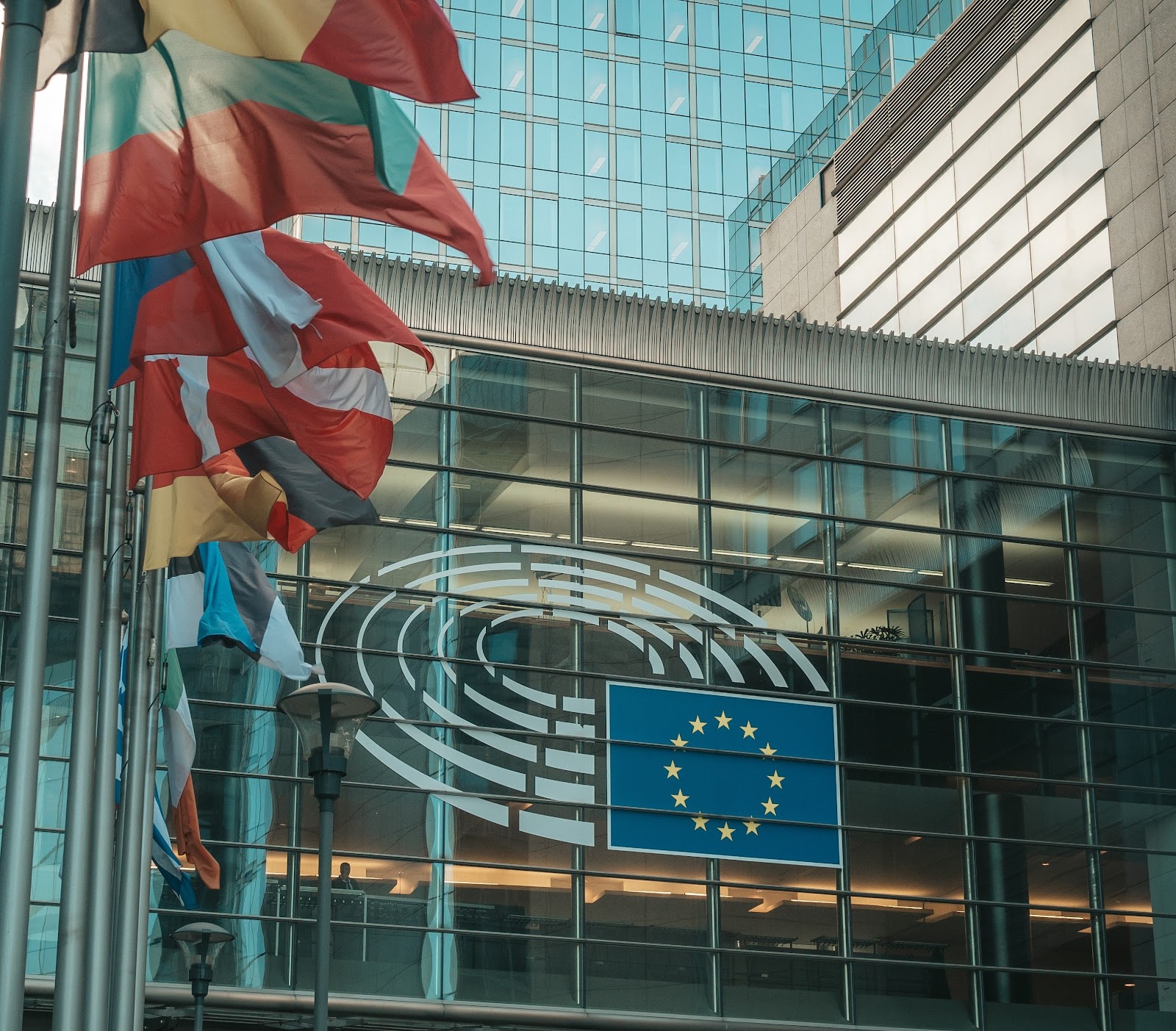
Flags in front of the European Parliament
Um weiter Einfluss auf europäische Entscheidungen nehmen zu können, müssen Parteien sich integrieren und ihre internen Strukturen an das politische System der EU anpassen.

Dieser Tage beginnen die Parteien mit der Aufstellung ihrer Kandidatinnen und Kandidaten für das Europäische Parlament. Denn bereits zum zehnten Mal werden im kommenden Frühjahr die Bürgerinnen und Bürger der Europäischen Union an die Urnen gerufen, ihre gesamteuropäische Vertretung zu wählen. Bereits an der Form der Kandidatenaufstellung und der dazu parallel laufenden Beratungen über die Wahlprogramme zeigt sich die nach wie vor unzulängliche Europäisierung der Europawahlen einschließlich einer Verharrung der daran teilnehmenden Parteien in nationalen Denkmustern. Voraussichtlich wird es auch im nächsten Jahr wieder gesamteuropäische Spitzenkandidatinnen und -kandidaten der europäischen Parteienfamilien geben – so wie die beiden Wahlen zuvor. Doch es ist davon auszugehen, dass die Wahlkämpfe um die europäischen Mandate von der Wettbewerbslogik der nationalen Parteiensysteme geprägt sein werden.

Verweigerte Europäisierung nationaler Parteistrukturen

Es ist bedauerlich, dass es die Parteien bislang nicht geschafft haben, sich in angemessener Form an die Bedingungen der Politikgestaltung jenseits des Nationalstaates anzupassen und sich organisatorisch wie programmatisch stärker an den Strukturen der Europäischen Union auszurichten.

Bedauerlich nicht allein deshalb, weil dadurch der europäische Einigungsgedanke konterkariert wird. Durch die Weigerung der nationalen Parteien, sich ebenfalls politisch zu integrieren und Teilbereiche ihrer politischen Vorrechte auf eine europäische Organisationsebene zu übertragen, lassen sie die Bestrebungen, die EU zu demokratisieren und für die Bürgerinnen und Bürger nahbarer zu machen, nahezu mit Vorsatz ins Leere laufen.

Europäische Parteien stärken

Europäisierung bedeutet dabei noch lange nicht, sämtliche Handlungs- und Entscheidungskompetenzen nationaler oder subnationaler Organisationseinheiten der Parteien aufzugeben und der europäischen Ebene zu überlassen. Aber dort, wo die politikinhaltliche Entscheidungshoheit bei den EU-Institutionen liegt, sprechen sowohl die Notwendigkeit parteipolitischer Kohärenz als auch ein gewisses Maß an politikgestalterischer Effizienz dafür, die europäische Organisationsebene der Parteien zu stärken und mit mehr Befugnissen auszustatten.

Dies betrifft neben Personalentscheidungen nicht zuletzt auch Fragen der Autorität über politische und programmatische Positionen. Den Europäischen Parteien kommt dabei eine Schlüsselrolle zu. Bislang noch als transnationale Kooperationsformationen nationaler Parteien organisiert, schlummert in ihnen ein noch ungenutztes Potenzial für die demokratische Gestaltung europäischer Politik und die Kompensation des schleichenden Bedeutungsverlustes von Parteien jenseits nationalstaatlich organisierter Willensbildung.

Nur Europäische Parteien bringen demokratische Responsivität

Wie in allen repräsentativen Demokratien verfügen auch die Parteien auf europäischer Ebene über – zwar bislang nur unzureichend ausgeschöpfte – Funktionen, die sich auf Grund des besonderen Charakters der Europäischen Union als politisches System von denen auf nationaler Ebene unterscheiden. Dies betrifft vor allem die Aggregation EU-weiter Politikpräferenzen und die Koordination von Prioritäten und Handlungsoptionen zwischen den einzelnen Mitgliedsparteien und den Institutionen.

Die Rolle der Europäischen Parteien reicht jedoch noch viel weiter. Nur sie werden die Position im politischen System der EU einnehmen können, aus der heraus in einem europäischen Sinne die Responsivität zwischen dem Willen der Europäerinnen und Europäer sowie den Entscheidungen der EU-Institutionen hergestellt und das politische System im Ganzen und seine Prozesse der Entscheidungsfindung hinreichend legitimiert werden können. Das Potenzial der Europäischen Parteien zur Bündelung von Positionen und Interessen kann dabei helfen, die zwischen einer Vielzahl an nationalen Parteien fragmentierte Einflussnahme auf die Politikgestaltung zu überwinden und diese damit effizienter und nachvollziehbarer zu gestalten.

Die Gestaltungsfähigkeit nationaler Einzelparteien schwindet

In einer EU mit einer überschaubaren Zahl an Mitgliedstaaten mag der Einfluss einzelner, vor allem großer nationaler Parteien auf die europäischen Entscheidungsprozesse für die beteiligten Akteurinnen und Akteure noch greifbar gewesen sein. Doch sowohl die Erweiterung auf mittlerweile 27 Mitgliedstaaten als auch die weitreichenden Veränderungen in den nationalen Parteiensystemen (zunehmende Fragmentierung, Pluralisierung, Erosion der Volksparteien) lassen die Macht und Gestaltungsfähigkeit nationaler Parteien spürbar schwinden.

Sie werden mittelfristig kaum in der Lage sein, die komplexen Entscheidungsprozesse auf europäischer Ebene im Allgemeinen und die entscheidenden institutionellen Agenda-setting-Momente im Speziellen nachhaltig in ihrem Sinne zu beeinflussen. Daher wäre es auch in ihrem eigenen Interesse, sich in europapolitischen Belangen an die systemischen Rahmenbedingungen der EU anzupassen.

Integration von Europäischer Partei, Fraktion und Mitgliederbasis

Der im Vergleich zum politischen System weitaus geringere Integrationsgrad der Parteien hat dazu geführt, dass ihre verschiedenen Organisationsbestandteile im Mehrebenensystem weitgehend autonom voneinander agieren. Dabei wäre es erforderlich, dass alle drei Elemente ihrer Organisation (Parteiapparat, Parlamentsfraktion, Mitgliederbasis) in einem stabilen Beziehungsgeflecht zueinander stehen, um in allen Sphären des politischen Systems ihre volle Wirkung entfalten zu können.

Die organisatorische Einheit dieser so genannten „drei Gesichter“ ist insbesondere notwendig, um die zentrale Parteienfunktion, ein Bindeglied zwischen gesellschaftlicher und staatlicher Sphäre zu schaffen, gewährleisten zu können. Je autonomer einzelne Segmente einer Partei agieren, desto stärker wirken Desintegrationstendenzen nach innen und entstehen Probleme bei der Herstellung eines einheitlichen Erscheinungsbildes nach außen.

Bislang erfolgte die europapolitische Einbindung der nationalen Parteien vorwiegend über deren quantitativ betrachtet überschaubare Eliten. Die vertikale wie auch horizontale Verschränkung der Organisationssegmente ist deshalb entsprechend wenig vorangeschritten –sowohl zwischen Parteibasis und europäischem Parteiapparat als auch zwischen Europäischer Partei und Fraktion ist die Verbindung allenfalls rudimentär ausgeprägt. Die Folge ist, dass es keine vollumfängliche Deckungsgleichheit in der Mitgliederstruktur zwischen den Europäischen Parteien und ihren Fraktionen gibt und dass die europäische Führungsriege weitgehend losgelöst von einer national segmentierten Mitgliederbasis agiert, die wiederum keine Identifikation mit ihrer Europäischen Partei aufweist.

Was tun? Europäisierung nach innen …

Um die europäische Parteipolitik fit zu machen für die Herausforderungen der kommenden Jahre, bleibt also noch viel zu tun. Strategisch betrachtet sollten die Parteien mit den notwendigen Europäisierungsbemühungen an entscheidenden Stellen ihrer inneren Organisation ansetzen – und zwar auf zweierlei Weise.

Zunächst ist eine nach innen gerichtete Integration erforderlich, durch die parteiinterne Strukturen und Elemente an sinnvollen Stellen auf die europäische Ebene ausgerichtet werden. Dazu zählen

  1. die Mitgliedschaftsorganisation: Das Organisationsverständnis der Europäischen Parteien sollte so weiterentwickelt werden, dass sie weniger ein Dachverband als vielmehr eine Organisationsebene einer föderal strukturierten Mehrebenenpartei sind – vom einzelnen Mitglied an der Basis über den lokalen, regionalen und nationalen bis zum europäischen Verband;
  2. Kompetenzen für die Formulierung von inhaltlichen Positionen (policies): Sowohl das Europawahlprogramm als auch die zwischen den Wahlen notwendigen Politikinstruktionen (v.a. an die Fraktion im Europäischen Parlament) müssen – unter angemessener Mitwirkung der nationalen Organisationseinheiten – von der europäischen Parteiebene verbindlich vorgebeben werden. Nur so ist ein einheitliches und nachvollziehbares Auftreten gegenüber der Wählerschaft und kohäsives Handeln in den Institutionen möglich;
  3. Führungsstrukturen und -netzwerke: Neben Strukturen sind es Personen, die Kontinuität schaffen und den in der Partei diskutierten und formulierten Willen auch in die politische Handlungsebene tragen. Daher ist es sinnvoll, wenn nicht sogar notwendig, dass bestimmte Parteifunktionen und Mandate sowohl vertikal (zwischen nationaler und europäischer Ebene) als auch horizontal (zwischen Partei und Fraktion) miteinander verknüpft werden, indem sie von ein und derselben Person wahrgenommen werden (also z.B. der europäische Partei- und Fraktionsvorsitz in einer Hand liegen oder nationale Regierungschefs oder -chefinnen oder Parteivorsitzende prominent im Vorstand der Europäischen Partei vertreten sind).

… und nach außen

Darüber hinaus bedarf es auch einer nach außen gerichteten Europäisierung, mithilfe derer es gelingen kann, ein homogenes und kohäsives Gesamterscheinungsbild der Europäischen Partei und ihrer Fraktion im Europäischen Parlament zu erzeugen. Erfolgen muss dies auf der

  1. elektoralen Ebene: Damit Europawahlen auch wirklich europäische Wahlen sind, müssen die Kandidierenden der nationalen Parteien nicht nur mit einheitlichen politischen Botschaften werben, sondern auch ihrer jeweiligen Europäischen Partei erkennbar zuzuordnen sein. Inhaltlich und visuell einheitliche Wahlkampagnen, transnationale Listen oder das Spitzenkandidatenprinzip sind dazu geeignete Instrumente;
  2. parlamentarischen Ebene: Partei und Fraktion auf europäischer Ebene müssen ein gemeinsames Organisations- und Zugehörigkeitsverständnis entwickeln. Ein von ihrer korrespondierenden Partei losgelöstes Handeln der Fraktion im Europäischen Parlament läuft einem kohärenten Erscheinungsbild zuwider und untergräbt nebenbei die Beteiligungsmöglichkeiten innerhalb der Parteien.

Europäisierung kann gegen Bedeutungsverlust helfen

Zweifellos ist damit ein Transfer von Kompetenzen und Souveränität von den nationalen auf die Europäischen Parteien verbunden. Bislang verharren die Parteien daher in ihren national geprägten Denk- und Handlungsmustern. Durch eine Europäisierung vermuten sie auf den ersten Blick nur Nachteile: nämlich zuvörderst die Machterosion der nationalen Funktionseliten.

Dabei böte eine sachgerechte, das heißt auf die Rahmenbedingungen angepasste Europäisierung durchaus Vorteile und Möglichkeiten, den Trend des Bedeutungsverlustes von Parteien zumindest abzufedern. Es sind nicht mehr nur kleine oder strukturell in eine Oppositionsrolle verbannte Parteien, die über ihre transnationalen Netzwerke an der europäischen Politikgestaltung mitwirken können. Auch die ehemals großen Volksparteien sind mehr und mehr auf das Bündeln ihrer schwindenden Ressourcen angewiesen.

Und je umfangreicher und bedeutsamer politische Entscheidungen auf EU-Ebene werden, desto wichtiger wird es für Parteien, auch abseits von eigenen (zeitlich begrenzten) Regierungsbeteiligungen im nationalen Raum direkte Einflussmöglichkeiten zu haben. Gut integrierte und sich über alle relevanten EU-Institutionen erstreckende Europäische Parteien bieten dafür den optimalen Rahmen.

Bessere Einbindung europaaffiner Mitglieder

Perspektivisch lassen sich durch eine stärkere Europäisierung der Parteien auch Kosten an die europäische Ebene externalisieren. Würden die Europäischen Parteien eine deutlich bedeutsamere Rolle dabei spielen, die EU-Institutionen enger mit den Bürgerinnen und Bürgern zu verbinden und dadurch signifikant zu einer europäischen Demokratie beizutragen, ließe sich für den damit verbundenen Aufwand auch eine höhere Parteienfinanzierung durch die EU rechtfertigen. Dies könnte die nationalen Parteien in europapolitischen Belangen entlasten.

Parteiintern böten die Europäischen Parteien darüber hinaus neue Chancen zur aktiven Einbindung europaaffiner Mitglieder oder interessierter Bürgerinnen und Bürger, die sich ansonsten für ihr Engagement anderweitige Betätigungsfelder suchen. Für die Kampagnenfähigkeit der Parteien sollte dies ebenfalls nicht abträglich sein.

Es liegt an den Parteien selbst

Angesichts der vielschichtigen Gestalt der Europäischen Union und der Machtdiffusion in ihren Entscheidungsstrukturen werden Europäische Parteien nur dann in der Lage sein, Entscheidungsprozesse in all ihren Phasen zu beeinflussen, wenn sie auf allen Ebenen des politischen Systems über starke und belastbare Strukturen verfügen.

Dass die Europäisierungsbemühungen nationaler Parteien bislang überschaubar geblieben sind, mag auch daran liegen, dass für eine vollumfängliche Entfaltung parteipolitischer Potenziale auf europäischer Ebene nicht nur eine Anpassung der Parteien an die Strukturen des politischen Systems nötig ist, sondern auch eine Reform des politischen Systems selbst, um die entscheidenden Parameter für ein parteiendemokratisches Handlungsfeld zu setzen. Letzten Endes müssen aber die Parteien selbst wissen, in welchem Umfang sie ihre eigenen Gestaltungsmöglichkeiten nicht nur im Nationalstaat, sondern auch darüber hinaus ausschöpfen möchten.

Enrico Liedtke ist Politikwissenschaftler und derzeit als Referent für Sicherheitspolitik im HAUS RISSEN – Gesellschaft für Politik und Wirtschaft e.V. in Hamburg tätig.

Dieser Beitrag beruht auf dem Aufsatz „Zwischen Europäisierung und Verharrung. Entwicklungsperspektiven europäischer Parteiorganisationen“, der in der Zeitschrift für Politik (3/2023) erschienen ist.


Bilder: Flaggen vor dem Europäischen Parlament: Eduard Delputte [Unsplash license], via Unsplash [cropped]; Porträt Enrico Liedtke: B. Frommann [alle Rechte vorbehalten].

European party politics between integration and national inertia

By Enrico Liedtke
Flags in front of the European Parliament
To maintain influence in European decision-making, parties need to integrate and adapt their internal structures to the political system of the EU.

These days, political parties are once again starting to nominate their candidates for the European Parliament. For the tenth time, the citizens of the European Union will be called to the polls next spring to elect their pan-European representatives. However, the way in which candidates are being nominated, and the parallel consultations on election manifestos, show that the European elections are still insufficiently Europeanised and that the parties taking part in them remain stuck in national ways of thinking.

As in the two previous elections, the European party families will likely nominate European lead candidates (Spitzenkandidaten) next year. But it can be assumed that the campaigns will be characterised by the competition logic of the national party systems.

Refusal to Europeanise national party structures

It is regrettable that the parties have so far failed to adapt adequately to the conditions of politics beyond the nation state and to align themselves more closely with the structures of the European Union, both organisationally and programmatically.

It is regrettable not only because it frustrates the idea of European unification. By refusing to integrate organisationally and transfer some of their political prerogatives to a European level, the national parties are almost deliberately derailing efforts to democratise the EU and make it more accessible to citizens.

Strengthening European political parties

Europeanisation does not mean transferring all action and decision-making powers of the national or sub-national party units to the European level. However, where the EU institutions have the power to make political decisions, both the need for party-political coherence and a certain degree of efficiency in policy-making argue in favour of strengthening and empowering the European organisational level of the parties. This applies not only to personnel decisions, but also to questions of authority over policy positions.

In this, the European parties have a key role to play. So far, they are still organised as formations for the transnational cooperation of national parties. But they harbour an untapped potential to shape European politics democratically and to compensate for the creeping loss of importance of political parties in decision-making outside the national arena.

Only European parties can create democratic responsiveness

As in all representative democracies, parties at the European level have specific functions – albeit insufficiently exploited so far – that differ from those at the national level due to the special nature of the European Union as a political system. In particular, these functions include the aggregation of EU-wide political preferences and the coordination between the individual member parties and the institutions.

But the role of European parties goes much further than that. Only they will be able to occupy the position in the EU’s political system from which it will be possible to establish a democratic responsiveness between the will of Europeans and the decisions of the EU institutions and to sufficiently legitimise the political system as a whole and its decision-making processes. The potential of European parties to bundle positions and interests can help to overcome the fragmented influence of a large number of national parties on policy-making and thus make it more efficient and comprehensible.

National parties’ diminishing ability to shape policy

As long as the EU had only a relatively small number of member states, individual national parties, especially the larger ones, may still have had a tangible influence on European decision-making processes. However, both the enlargement to 27 member states and the far-reaching changes in the national party systems (increasing fragmentation, pluralisation, erosion of “catch-all” parties) are noticeably reducing national parties’ power and their ability to shape EU policy.

In the medium term, they will hardly be able to have a decisive influence on the complex European decision-making processes in general and on the crucial institutional agenda-setting moments in particular. It would therefore be in their own best interest to adapt to the EU’s systemic framework in European policy matters.

Lacking integration of party, group, and membership base

Compared to the political system in general, political parties have integrated only to a very low degree. This has resulted in their various organisational components acting largely autonomously in the multi-level system. But without a stable network of relationships between all three elements of their organisation (party leadership, parliamentary group, and membership base), parties are unable to unfold their full effect in all spheres of the political system.

The organisational unity of these so-called “three faces of a political party organisation” is necessary in particular in order to guarantee the party’s central function, namely creating a link between society and the state. More autonomously acting individual segments of a party mean a greater tendency towards internal disintegration and more problems in creating a unified external image.

So far, the European political integration of national parties has mainly taken place via their quantitatively limited elites. As a result, there has been little progress in the vertical and horizontal integration of the organisational segments: Both between the party base and the European party organisation, and between the European party organisation and its group in the European Parliament, the links are at best rudimentary. The result is that there is no complete congruence in the membership structure between the parties and their parliamentary groups, and that the European leadership acts largely detached from a nationally segmented membership base, which in turn does not identify with its European party.

What to do? Europeanisation inwards …

Thus, much remains to be done to make European party politics fit for the challenges of the coming years. From a strategic point of view, parties should start the necessary Europeanisation efforts at two key dimensions in their organisation.

Firstly, there is a need for internal integration, whereby internal party structures and elements are brought into line with the European level where it makes sense to do so. This includes:

  1. membership organisation: Rather than being a mere umbrella organisation, European parties should be seen as an additional organisational level of a federally structured multi-level party – ranging from the individual member at the grassroots level, through the local, regional, and national levels, to the European party;
  2. power to define policy positions: Both the European election manifesto and the political instructions that are necessary between elections (especially to the party’s political group in the European Parliament) must be defined by the European party level – with the appropriate participation of the national organisational units. This is the only way to ensure coherent action within the institutions and a uniform and comprehensible appearance to the electorate;
  3. leadership structures and networks: In addition to structures, it is people who provide continuity andcarry the party’s will to political action. Therefore, it is useful or even necessary that certain party functions and mandates are linked both vertically (between national and European level) and horizontally (between the party organisation and its parliamentary group) by being held by one and the same person (e.g. the European party and parliamentary group chair in one hand or the prominent representation of a national head of government or party leader in the board of the European party).

… and outwards

Secondly, there is also a need for outward Europeanisation, which can help to create a homogeneous and coherent overall image of the European party and its group in the European Parliament. This must be achieved at the

  1. electoral level: For the European elections to be truly European, the candidates of the national parties must not only campaign with uniform political messages, but must also be recognisably associated with their respective European party. Campaigns with uniform content and visuals, transnational lists, as well as the lead candidate system are suitable instruments to achieve this;
  2. parliamentary level: Parties and political groups at European level need to develop a sense of belonging to a common organisation. If the political group in the European Parliament acts independently of its party, this runs counter to a coherent image and also undermines the opportunities for participation of grassroot members within the parties.

An antidote to the loss of relevance

There is no doubt that this involves a transfer of power and sovereignty from national to European parties. As a result, the parties have so far stuck to their national ways of thinking and acting. At first sight, Europeanisation seems to bring only disadvantages to national party elites: first and foremost, the erosion of their own power.

However, adapting to the conditions of the European political system would certainly offer advantages and opportunities to at least mitigate the trend towards party decline. It is no longer only small parties or parties that are structurally relegated to an opposition role that need transnational networks in order to participate in European politics. Even the formerly large mainstream parties are increasingly dependent on pooling their dwindling resources.

With EU policy decisions becoming more and more extensive and significant, parties need direct opportunities to influence them beyond their own (temporary) participation in national governments. Well-integrated European parties which are present in all relevant EU institutions provide the ideal framework for this.

Involving European-minded party members

In the future, greater Europeanisation could also allow parties to externalise costs to the European level. If the European parties were to play a much more important role in bringing the EU institutions closer to the citizens and thus making a significant contribution to European democracy, higher party funding from the EU would be justified. This could then reduce the burden on national parties in European policy matters.

At an internal level, stronger European parties would also offer new opportunities to actively involve European-minded members or interested citizens who might otherwise seek other areas of engagement. This too should help parties increase their ability to campaign.

It is up to the parties themselves

Given the complex structure of the European Union and the diffusion of power in its decision-making structures, parties will only be able to comprehensively shape decision-making processes if they have strong and reliable structures at all levels of the political system.

Another aspect that has so far limited the Europeanisation efforts of national parties may also be the fact that the full development of European party-political potential would require not only that parties adapt to the structures of the political system, but also that the political system itself be reformed in order to set the decisive parameters for the field of action of a party democracy. Ultimately, however, it is up to the parties themselves to decide to what extent they wish to increase their ability to shape policy – not only within the nation state but also beyond it.

Enrico Liedtke is a political scientist and currently works as an advisor for security policy at HAUS RISSEN – Gesellschaft für Politik und Wirtschaft e.V. in Hamburg.

This article is based on the essay “Zwischen Europäisierung und Verharrung. Entwicklungsperspektiven europäischer Parteiorganisationen”, which was published in Zeitschrift für Politik (3/2023).


Translation: Manuel Müller.
Picture: Flags in front of the European Parliament: By Eduard Delputte [Unsplash license], via Unsplash [cropped]; portrait Enrico Liedtke: B. Frommann [all rights reserved].

07 Dezember 2023

FIIA Briefing Paper: Die Wahlen 2024 in Russland, der EU und den USA

Von Manuel Müller
Deckblatt des FIIA Briefing Paper: The 2024 elections in Russia, the EU, and the US: International implications and impacts on the war in Ukraine

2024 wird ein globales Superwahljahr: Unter anderem wird es in Russland, der Europäischen Union und den Vereinigten Staaten Präsidentschafts- und/oder Parlamentswahlen geben. Diese Wahlen werden sich nicht nur auf die Innenpolitik dieser drei Länder auswirken, sondern auch auf die internationale Arena.

Auch wenn die russische Präsidentschaftswahl im März keinerlei demokratische Glaubwürdigkeit besitzt, könnte die Bestätigung für eine neue Amtszeit Wladimir Putin zu einer noch aggressiveren Militärpolitik ermutigen. Allerdings wäre damit auch ein innenpolitisches Risiko verbunden, und Putin erwartet in erster Linie, dass die westliche Hilfe für die Ukraine nachlässt.

Die Europawahlen im Juni werden voraussichtlich zu einem starken Anstieg rechtsextremer Parteien führen, doch die dezentralen Machtstrukturen und konsensbasierten Verfahren der EU machen schnelle politische Veränderungen unwahrscheinlich. Die Erweiterungspolitik wird in der nächsten Legislaturperiode ganz oben auf der Tagesordnung der EU stehen.

Im November schließlich werden bei den Präsidentschafts- und Kongresswahlen in den USA zwei entgegengesetzte Visionen aufeinanderprallen. Die Folgen für die amerikanische Innen- und Außenpolitik können je nach Wahlausgang drastisch unterschiedlich ausfallen.

In einem neuen Briefing Paper für das Finnish Institute of International Affairs haben Jussi Lassila, Maria Lindén und ich analysiert, was von den drei Wahlen zu erwarten ist – für die betreffenden Länder und für die Weltpolitik im Ganzen, insbesondere den Krieg in der Ukraine.

Das vollständige Briefing Paper (auf Englisch) ist hier zu finden.


Bild: Cover des FIIA Briefing Paper, basierend auf einem Foto von IBNER/Daniel Fleig, ImagoImagesStock / Lehtikuva.

FIIA Briefing Paper: The 2024 elections in Russia, the EU, and the US

By Manuel Müller
Cover of the FIIA Briefing Paper: The 2024 elections in Russia, the EU, and the US: International implications and impacts on the war in Ukraine

2024 will be a global super election year: Among others, presidential and/or parliamentary elections will be held in Russia, the European Union, and the United States. They will carry implications not only for the domestic politics of these three polities but also for the international arena.

While the Russian presidential election lacks any democratic credibility, Vladimir Putin’s confirmation may encourage him to pursue an even more aggressive military policy. However, this would still be a domestic political risk, and Putin’s primary expectation is that Western aid to Ukraine will wane.

The European Parliament elections are expected to result in a surge of far-right parties, but the EU’s decentralized power structures and consensus-based procedures make sudden political changes unlikely. Enlargement policy will be high on the EU’s agenda in the next legislative period.

In the US, the presidential and congressional elections will see a clash between two very different visions for both domestic and foreign policy. The consequences will be drastically different depending on the outcome of the elections.

In a new Briefing Paper for the Finnish Institute of International Affairs, Jussi Lassila, Maria Lindén and I analyse what can be expected from these elections – for the countries involved and for global politics at large, in particular for the war in Ukraine.

The complete Briefing Paper can be found here.


Picture: Cover of the FIIA Briefing Paper, based on a photo by IBNER/Daniel Fleig, ImagoImagesStock / Lehtikuva.